
Rice
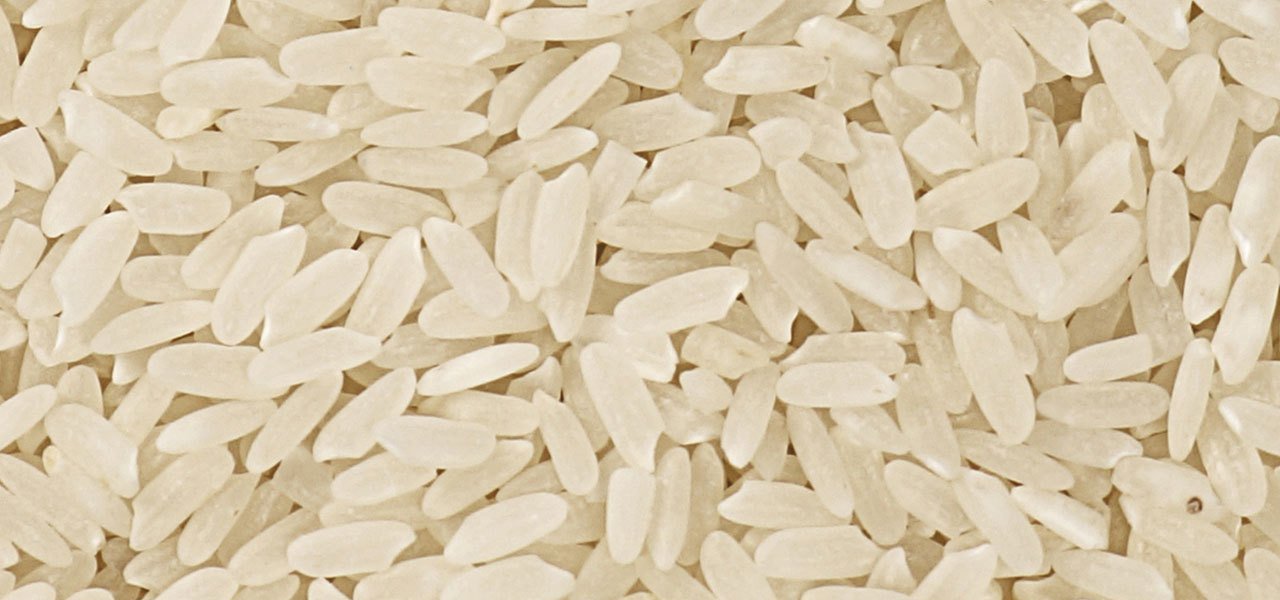
Non Basmati Rice
Non-basmati rice refers to various types of rice that do not belong to the basmati category, characterized by their distinct texture, taste, and aroma. These varieties are widely cultivated and consumed globally, with popular types including jasmine rice, ponni rice, and idli rice. Non-basmati rice can be further categorized into short-grain, medium-grain, and long-grain varieties, each with its unique characteristics and uses in different cuisines. For instance, short-grain rice is often used in Japanese and Korean cuisine for sushi and other dishes, while long-grain rice is commonly used in various international recipes.
Non-basmati rice is often preferred for its affordability and versatility in cooking. It is used in a wide range of dishes, from simple meals to complex recipes. The nutritional profile of non-basmati rice varies depending on the type, with some varieties being higher in fiber and nutrients than others. For example, brown non-basmati rice is a good source of fiber and minerals, while white non-basmati rice is often enriched with iron and B vitamins. Overall, non-basmati rice is a staple food in many cultures, providing a convenient and nutritious source of energy.
Non Basmati Rice Benefits
-
Affordable
-
Versatile
-
Rich in Carbohydrates
-
Gluten-Free
-
Easy to Digest
-
Good Source of Fiber
-
May Help Manage Weight
-
Supports Healthy Gut Bacteria
-
Rich in Minerals
-
Culturally Significant
