
Rice
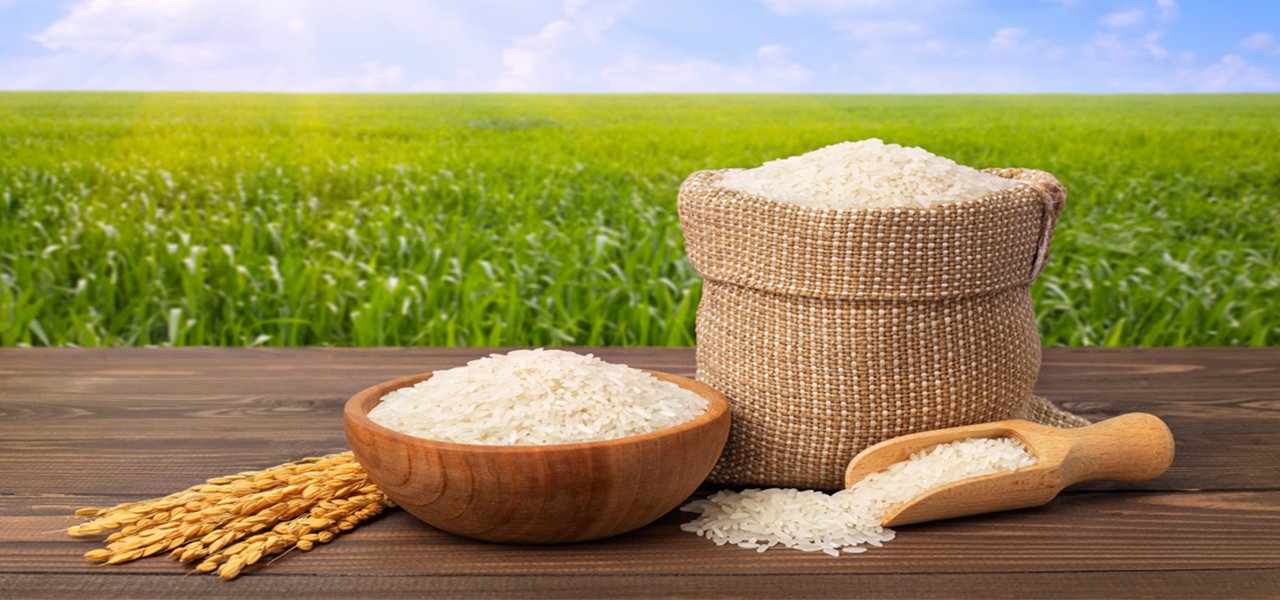
Basmati Rice
Basmati rice is a premium long-grain variety renowned for its distinctive aroma and flavor, originating from the Indian subcontinent. The name "basmati" is derived from the Sanskrit word "vasmati," meaning "fragrant" or "full of aroma". This aromatic rice is primarily grown in India and Pakistan, with India accounting for over 70% of the world's basmati rice production. The unique characteristics of basmati rice include its long, slender grains that elongate when cooked, and its distinctive popcorn-like aroma caused by the compound 2-acetyl-1-pyrroline.
Basmati rice is known for its fluffy texture and separate grains when cooked, making it a popular choice for various dishes, including biryani and pulao. It has a medium glycemic index, which makes it suitable for diabetics. The quality and flavor of basmati rice improve with age, typically aged for at least one year to develop a deeper aroma and better cooking qualities. The cultivation and harvesting of basmati rice involve traditional practices, and its production is regulated by geographical indications to ensure authenticity.
Basmati Rice Benefits
-
Rich in Carbohydrates
-
Low in Fat
-
Easy to Digest
-
Medium Glycemic Index
-
Gluten-Free
-
Rich in Fiber
-
Antioxidant Properties
-
May Help Manage Blood Sugar
-
Supports Healthy Gut Bacteria
-
Versatile and Nutritious
